Julius Isserlis

28 February 1936 (Jorge Bolet age 21)
Salón Novedades, Pamplona, Navarra (Spain)
Recital incl. Chopin's Sonata No. 3, Beethoven, other works of Chopin, de Falla, Rachmaninoff.
La Voz de Navarra (26.2.1936) mentions that in Vienna Julius Isserlis (1888 – 1968), a pianist and composer born in Kishinev, Russian Empire (now Chișinău, Republic of Moldova), had marvelled at Bolet's phenomenal technique, his powerful and beautiful touch, captivating rhythm, and his impeccable performances.
Moriz Rosenthal is quoted as describing his superb technique which encompasses everything, and his extraordinary musical gifts.
Julius Isserlis had studied composition under Sergei Taneyev (1856-1915), a Russian composer, pianist, teacher of composition, music theorist and author, known for combining romantic harmony with strict classical counterpoint. A student of Pyotr Ilyich Tchaikovsky, he became a legendary teacher at the Moscow Conservatory.
Isserlis arrived in Vienna in 1923 with his wife and son, never to return to the Soviet Union again. In the Austrian capital, he was in touch with other Russian émigrés; Nathan Milstein and Josef Lhévinne are among those known to have visited him during this time. At the Anschluss in 1938, Isserlis, fortuitously, was on tour in Britain. He was granted British residency, and was soon joined there by his wife and son.
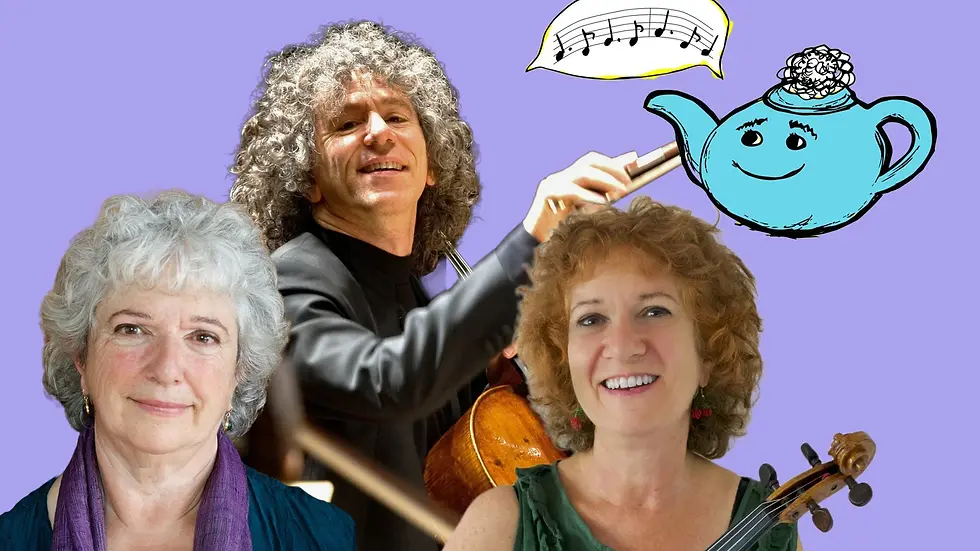
Isserlis's three grandchildren, Annette (baroque? cello), Rachel (violin) and Steven (cello), are all professional musicians.
Oresteia (1895): an ambitious opera based on Aeschylus; Taneyev considered this his masterwork.
Piano Quintet in G minor, Op. 30 (1911)
Symphony No. 4 in C minor, Op. 12 (1898)
John of Damascus, Op. 1 (1884)
Taneyev’s academic achievements led Tchaikovsky to say that “he is the best counterpoint master of Russia and I am not even sure that there is his equal in the West.”


Comments